

When I started mapping player journeys in loyalty and lifecycle work, I quickly learned that flashy video features mean little if the session breaks halfway through a spin. That same lens applies to casino games with video features, where the real test is whether the presentation holds up when someone is playing on a train or during a quiet arvo. I’ve spent eleven years in gaming CRM, mostly around segmentation and campaign timing, and I still judge these titles by the same question I used for retention loops: does the experience keep pace with the player, or does it get in the way?
Focus on the mobile moment, not the trailer
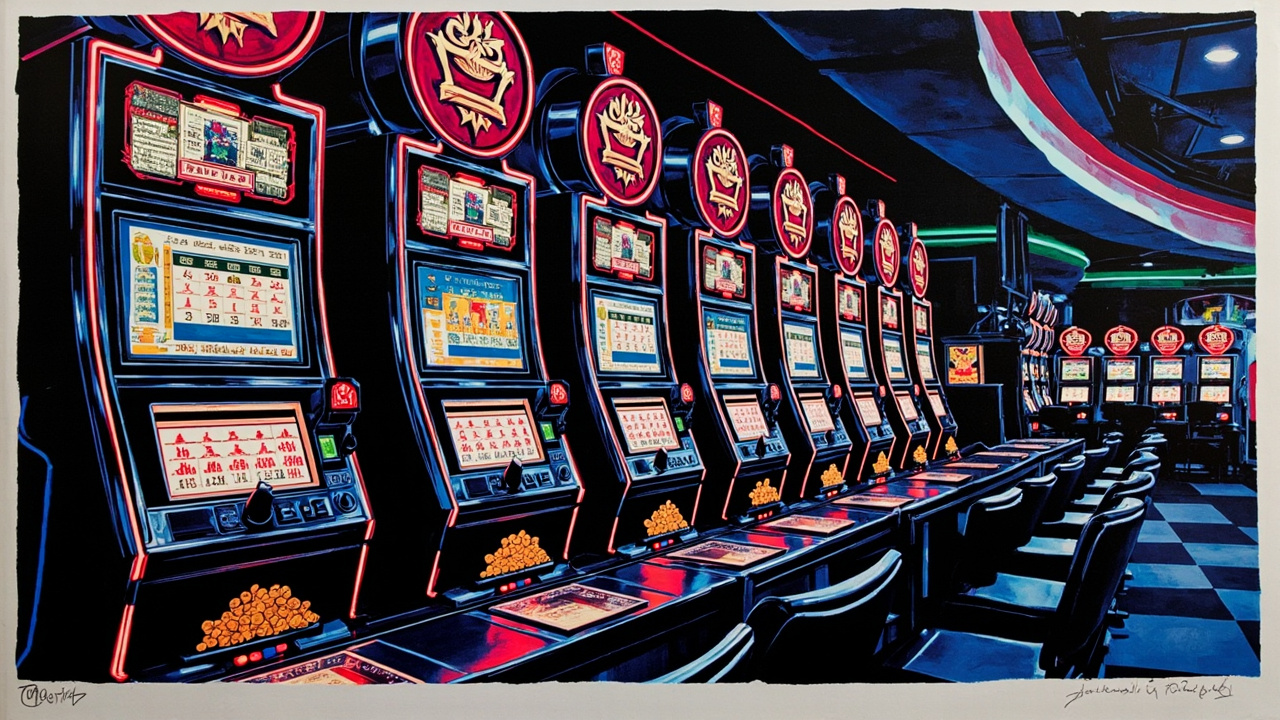
A video-led slot or live-style table can look polished in a demo, but the first thing I check is how the same title behaves once it’s loaded in a browser on a mid-range device. In my work segmenting players by session length and drop-off points, I’ve seen campaigns underperform simply because the entry path added friction. The same principle applies here: a game with video features should render its intro loop, paytable, and control overlays without making the player wait for another handshake or tap the screen twice to find the stake selector.
I tend to compare this against how we structure lifecycle messaging at VGW. If a player is coming back for a short session, the interface should respect that pace. Video features that pause the flow, hide key controls behind extra menus, or push heavy animations over the betting area usually signal a design that prioritises spectacle over usability. When I talk to product teams, I often frame it as a balance between presentation and control: the video layer should support the game, not compete with the parts of the screen a player actually uses every minute.
| Detail | What to expect |
|---|---|
| Positioning | Video-led slots and live-style tables built around short, repeatable sessions |
| Games and providers | Curated mix of video-rich originals alongside established studio titles |
| Bonus mechanics | Standard wagering terms, clear contribution rules, and visible expiry windows |
| Payments and currencies | AUD-focused balances, common local deposit methods, and withdrawal paths that follow standard verification |
| Registration | Straightforward sign-up with identity checks before any withdrawal |
| Mobile | Responsive browser play plus an app option where available |
| Support | Live chat and email channels with response times that match peak demand |
| Loyalty | Tiered rewards tied to activity, with clearer value in repeat play than in one-off promos |
What the video layer should actually do
Clarity over spectacle
The best video features are the ones you barely notice while playing. I’m thinking of clean intro loops, readable symbol animations, and a paytable that stays legible when the screen shrinks. In loyalty work, we’ve seen players disengage when an interface makes them work to find basic information, and casino games with video features are no different. If a video backdrop or presenter segment distracts from the bet controls, the player spends mental energy on the screen rather than the game.
I’d rather see a restrained video layer that keeps the action readable than a heavy production that buries the essentials. That’s the kind of call I make when reviewing lifecycle flows: if a feature adds noise, it usually costs you somewhere else. A well-built title keeps the video present but subordinate, so the player can adjust lines, check value, andmove through a session without fighting the layout.
For players comparing options, it’s worth checking whether the video elements stay readable when the browser window changes size. Some titles look fine on a desktop but lose contrast or crowd the controls on a phone. That’s where a brand like goldenbet no deposit code can be a useful reference point for how video-led presentation is packaged for Australian play, especially if you’re testing a few titles before settling on a session length that suits you. The point is not to chase production value for its own sake, but to confirm the presentation still supports the betting experience when the screen gets small.
Performance and control under load
The second part of the review is about what happens when the connection isn’t perfect. I’ve managed campaigns where timing mattered more than volume, and the same logic applies here: a video-heavy game should still respond cleanly if a player is on a variable connection. Laggy animations, delayed spin resolution, or overlays that stutter during a round are the kinds of issues that turn a promising title into a frustrating one.
From a segmentation standpoint, I’d rather see a title that performs consistently across short and long sessions than one that only looks good in ideal conditions. That includes how quickly the game returns to the betting screen after a result, how stable the video layer is during repeated play, and whether the controls remain easy to reach without resizing the display. When I weigh these titles, I’m not looking for the most elaborate production; I’m looking for a game that keeps its promise every time the player taps again.
Linking the video experience to what players need
The question I’d ask a player is simple: are the video features there to make the session more engaging, or are they there because the title needs something to hide behind? In my experience, the difference shows up in how the game feels after a few minutes, not in the first impression. A title that uses video well usually gives you clearer feedback, smoother pacing, and an interface that still makes sense when you’re playing quickly between other things.

That’s where local context matters too. Someone playing in regional New South Wales might be on a different connection profile or device mix than someone in a metro centre, so responsiveness and readability carry extra weight. I’m not suggesting any player should expect flawless conditions every time; I’m saying the better titles are the ones that still behave sensibly when the session gets interrupted, the screen gets crowded, or the player only has a few minutes.
Claire Lee, Head of Product, Capital Territory Gaming Forum, has pointed out that players often judge video-led titles by how quickly they can get back to the actual betting action, not by how long the intro lasts. Adam Watson, Senior Market Analyst, Flinders Interactive Group, has also noted that presentation-heavy games can win attention early, but retention tends to hinge on whether the controls stay intuitive once the novelty fades. Those are the kinds of judgements I recognise from lifecycle work: the first impression gets attention, but the repeated experience decides whether someone comes back.
For operators targeting the Australian market, balancing immersive visuals with seamless functionality is therefore critical to sustaining player engagement. Industry observers note that platforms offering streamlined access and transparent reward structures tend to perform best when users are ready to move past the initial showcase. Readers interested in how these design principles translate to current promotional offerings can explore the latest goldenbet no deposit code at https://goldenbetnodeposit.com/aus.
Verdict
If you’re weighing casino games with video features, the useful question is whether the video layer improves the session or just dresses it up. The stronger titles keep the presentation clear, the controls close at hand, and the performance steady enough that the game still feels responsive on a phone or browser. Treat the video as part of the gameplay, not a separate show, and you’ll have a better sense of whether a title is worth your time.








please contact our office whatsapp number: +8801711192111...
12 RT AMITHIST LAGEGA...
আমি একটা গোমেদ পাথর নিতে চাই...
সব ধরনের নীলা পাথর পাবেন, আমাদের সাইটে দেখুন অথবা অফিসে কল ক...