

Sweepstakes casino prizes have carved out a peculiar lane in the Australian online play space, mostly because they dodge the usual wagering thresholds that make regulated iGaming feel like a gatekept club. As someone who’s spent years shaping wagering and racing products at Picklebet, I’ve learned to spot the difference between a clever entry model and a gimmick dressed up as generosity. The real question here is whether the prize structure, entry costs, and redemption mechanics actually line up with how everyday players expect to use them, or whether the whole thing collapses under its own fine print.
How Sweepstakes Casino Prizes Are Structured
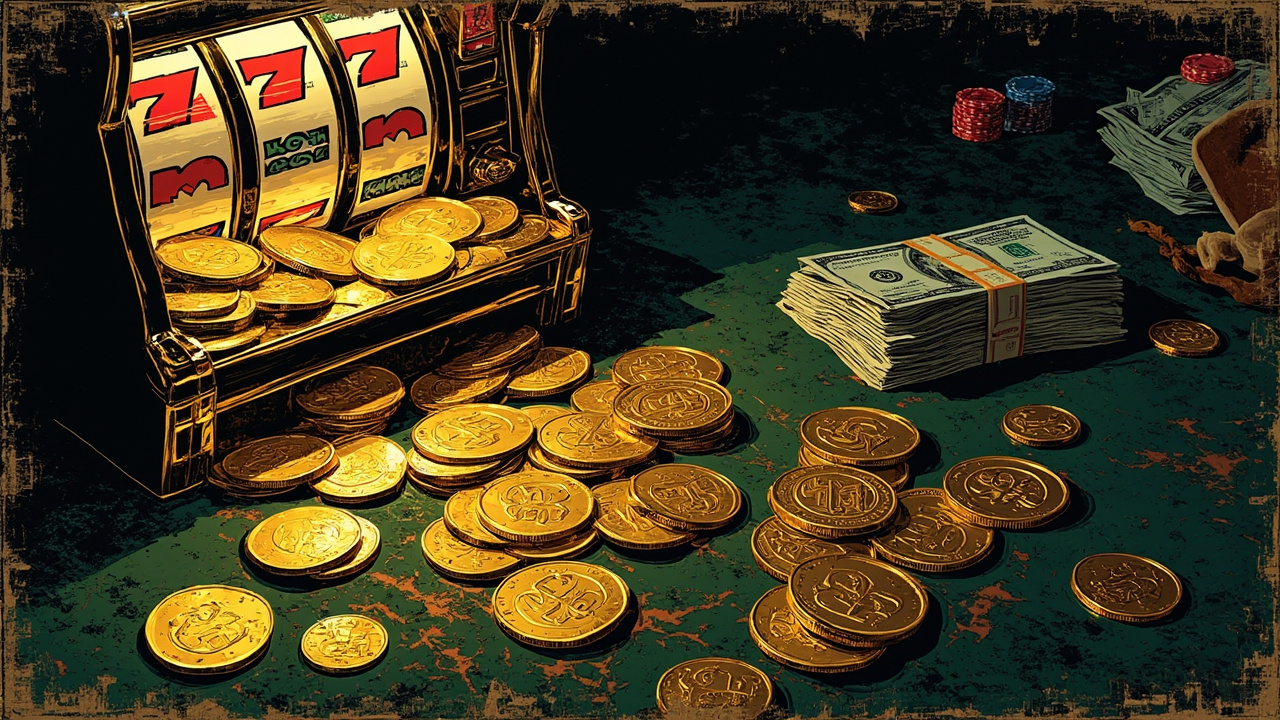
The sweepstakes model turns on a simple but often misunderstood split: you buy into a pool of entries, and those entries can be spent on games or held back for prize draws without the purchase itself counting as a wager. That’s the whole trick, and it’s why the category survives in places where traditional online casino licences are tightly restricted. In practice, the operator publishes a prize pool or a schedule of draws, sets the entry price, and then lets players allocate their entries across instant-win tiers, scheduled draws, or low-stakes game play. The prizes themselves range from small cash credits and bonus entries to larger lump sums, and the rules around allocation, expiry, and redemption are what separate a usable product from a frustrating one.
From a product standpoint, the most important detail is how the operator prices entry bundles and whether the redemption path is clear before you commit. A well-built sweepstakes product will show the entry cost per tier, the odds or allocation rules for each draw, and the exact steps to claim a prize without making you dig through three layers of terms. A sloppy one hides the real cost in “bonus entry” language and then makes you work to understand what you’ve actually bought. That’s the kind of clarity I’ve pushed for across wagering flows at Picklebet, because vague entry pricing is the fastest way to turn curiosity into a complaint.
What Makes Sweepstakes Casino Prizes Worth A Closer Look
Entry mechanics and the real cost per play
The entry mechanic is where most of the value – or the frustration – lives. A sensible sweepstakes product prices entries in bundles that make sense for casual use, with a clear per-entry cost that doesn’t mysteriously drop or spike depending on how you pay. Players should be able to see how many entries a bundle buys, how those entries can be split between game play and prize draws, and whether unused entries expire on a schedule that feels fair rather than punitive. When I’ve reviewed product flows in wagering and racing, the pattern is always the same: if the cost per entry isn’t obvious within a minute, the rest of the experience is probably going to feel fiddly.
The useful part for Australian players is that the entry model can feel lighter than a deposit-and-wager loop, especially if you’re using it more as a low-stakes diversion than a serious payout chase. The catch is that “lighter” doesn’t mean free, and the real cost per play only makes sense when you compare the entry price against the prize tiers you’re actually aiming at. A product that advertises big headline prizes but prices entries high enough to make those prizes statistically distant is selling atmosphere, not opportunity. That’s a judgement call I’d make the same way I’d assess a racing product with a glossy tips screen and thin liquidity behind it – the surface can look busy, but the underlying numbers tell the real story.
Prize tiers, odds, and what’s actually claimable
Prize tiers in sweepstakes casino prizes usually sit on a spectrum from small frequent wins to larger scheduled payouts, and the useful products are the ones that separate those tiers clearly instead of blurring them into one vague “win big” promise. Smaller tiers tend to be instant or near-instant, with straightforward redemption, while larger tiers often sit in scheduled draws with their own allocation rules and claim windows. The important thing for players is to know which tier they’re buying into, what the odds or allocation rules look like, and whether the prize is cash, bonus entries, or something that only becomes useful after more spending.
This is where the comparison to Megabucks, the famous wide-area progressive in Nevada, is instructive – not because sweepstakes products are the same thing, but because progressive-style headline prizes can create the same psychological pull even when the underlying mechanics are completely different. A wide-area progressive builds anticipation by growing over time, while a sweepstakes draw is usually a fixed pool with defined entry rules. Both can be legitimate, but they’re not interchangeable, and a player who treats a sweepstakes draw like a progressive is misreading the risk and the timing. The most usable products make that distinction obvious, rather than letting the marketing do the maths for you.
Redemption, support, and the everyday usability test
Redemption is where a sweepstakes product either earns its keep or starts to feel like a marketing engine with a prize sticker on it. A usable product gives you a clear claim path, a reasonable window to collect, and support that can actually answer questions about entry allocation, expiry, and prize status without sending you in circles. The everyday usability test is simple: can you check what you’ve won, what you’ve spent, and what’s still available without having to reconstruct the rules from memory? If the answer is no, the product is probably overstyled and under-built. wanted dead or a wild free play
Support matters here in a way that’s easy to overlook until something goes wrong. A product that treats prize claims as an afterthought will usually have the same attitude in other areas, and that’s the kind of thing I’d flag quickly in a product review. The better sweepstakes products treat redemption as a core flow, not a footnote, and they make the rules readable before you buy entries rather than after. For Australian players, that readability is especially important because the category sits in a grey area where the operator’s own terms do a lot of the heavy lifting.
| Feature | What to check | Why it matters |
|---|---|---|
| Entry bundle pricing | Per-entry cost, bundle sizes, expiry | Tells you the real cost before you commit |
| Prize tier clarity | Instant vs scheduled, cash vs entries | Prevents misreading odds and timing |
| Redemption path | Claim steps, windows, status tracking | Makes prizes usable instead of theoretical |
| Support responsiveness | Entry allocation, expiry, claim questions | Catches problems before they become complaints |
What This Means For Australians
For Australians, the practical takeaway is that sweepstakes casino prizes can be a workable form of low-stakes digital play, but only if you treat the entry cost and the prize rules as the real product, not the headline graphics. The local angle matters here: a Cairns local popping in during an arvo wants something that loads cleanly, shows the entry price plainly, and doesn’t make them relearn the rules every time they log back in. If a product can’t do that, it’s not really built for everyday use, no matter how polished the lobby looks. The other local reality is that this category is not licensed or regulated as online casino play in Australia, so the operator’s own terms, the clarity of the prize rules, and the reliability of redemption are doing the work that a licence framework would otherwise carry.
That means the useful question isn’t whether sweepstakes casino prizes look exciting, but whether they behave like a product you can actually use without surprises. If the entry cost is clear, the tiers are distinct, and the claim path is straightforward, the category has a genuine place for players who want a low-friction diversion. If those pieces are muddy, the whole thing starts to feel like a clever wrapper around a confused experience, and no amount of lobby polish fixes that.
Who This Fit For And Who Should Skip It
Sweepstakes casino prizes fit players who want a low-friction entry point, don’t mind treating prizes as a possibility rather than an expectation, and are comfortable reading the rules before they buy entries. They’re less suited to anyone chasing a clear wagering loop, anyone who wants a regulated casino licence framework, or anyone who assumes a big headline prize is the same thing as a realistic near-term outcome. The product works best when it’s used as a casual, budget-conscious diversion with a clear understanding of what entries cost and what prizes actually look like once you strip away the marketing.
A player who likes knowing the cost per entry, the tier structure, and the claim steps before they spend will usually have a better time than someone who logs in for the graphics and discovers the mechanics later. That’s the same kind of fit judgement I’d make on a wagering or racing product: the surface matters, but the flow, the clarity, and the honesty of the numbers decide whether it’s worth keeping on the shortlist.

Sweepstakes casino prizes can be a decent option for players who want a low-stakes, entry-based model with readable rules and a usable redemption path, but they’re only worth your time if the operator’s clarity matches the polish of the lobby. If the entry cost, prize tiers, and claim steps make sense on first read, the category has a real place for everyday use; if they don’t, the headline prizes are doing too much of the talking.







please contact our office whatsapp number: +8801711192111...
12 RT AMITHIST LAGEGA...
আমি একটা গোমেদ পাথর নিতে চাই...
সব ধরনের নীলা পাথর পাবেন, আমাদের সাইটে দেখুন অথবা অফিসে কল ক...