

Most Aussie punters reckon the real fun starts at the table, but the fine print around entry thresholds matters more than most guides admit. When you’re sizing up a craps minimum bet casino, the headline figure on the felt rarely tells the whole story about how your session actually unfolds, who handles the paperwork, and what happens on a quiet Tuesday arvo when the floor’s not busy.
What the minimum bet actually controls
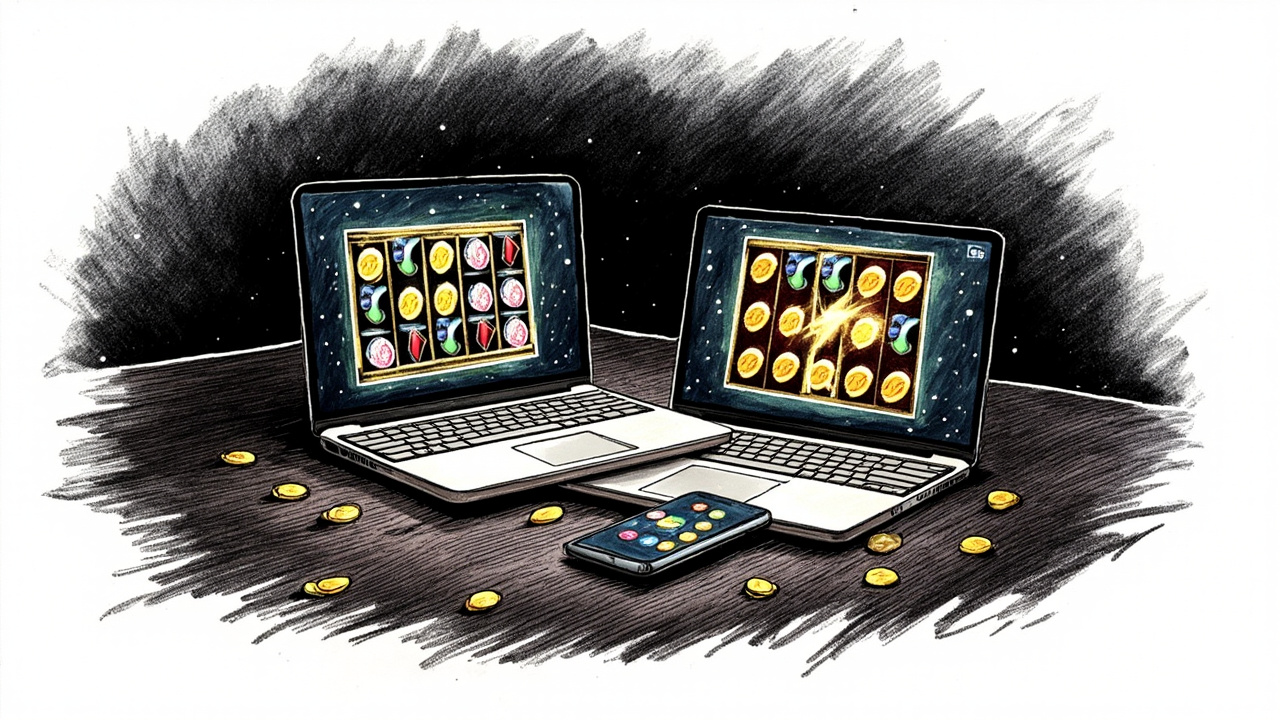
The posted minimum is just the entry ticket, not a promise that every wager on the layout will behave the same way. In practice, a craps minimum bet casino sets that floor to keep the game moving, but the real cost of playing comes from how the house edge stacks up on the specific bets you make, not just the chip size you drop. I’ve spent fifteen years across iGaming and tech budgets north of €100M, and the pattern is consistent: a low table minimum only helps if you’re not burning through it on proposition bets that bleed your bankroll in three hands. Down in Adelaide, the local clubs that run live craps nights usually cap the action around $5 or $10 a throw, which is a far cry from the $100-$200 minimums you’ll see on busy American floors, and that difference changes how you pace a session more than any bonus ever could.
The maths doesn’t care about your starting chip count, either. If you’re playing pass line with odds, the effective edge stays tight regardless of stake, but if you drift toward hard ways or hop bets, a $5 minimum can still cost you a fair slice of a casual Tuesday arvo budget before the crew cuts the music. What separates a sensible table from a tight one is whether the operator lets you scale your odds behind the line without forcing you into higher base bets, and that detail is usually buried in the rules sheet rather than printed on the felt.
How the table floor and digital version differ
Walking into a live room and sitting at a digital layout are two different experiences, and the minimum bet rules shift with them. In a physical casino, the dealer controls the pace, the stickman runs the proposition bets, and you’re watching the puck move in real time, which means the posted minimum is the only number you really negotiate before you throw. Online, the same craps minimum bet casino usually offers a wider spread of stake sizes, but the interface can quietly push you toward faster rounds and auto-bets that make a $1 floor feel like a $10 session if you’re not keeping your hands on the pace.
The practical gap shows up in how you manage your first few throws. At a live table, you’re reading the room, watching the box man, and deciding whether the pace suits your style before you commit to a run. On a screen, the game moves whether you’re ready or not, and the minimum bet becomes more about what you can comfortably reload between rounds than what the operator advertises on the lobby page. I’ve run teams across twenty-plus markets, and the clearest lesson is that a low digital minimum only works if you treat it like a pacing tool, not a free pass to spin through your bankroll before the first drink arrives.
When you’re weighing which setup suits you, the details worth checking are the ones that actually change how the session feels:
- Whether the odds multiplier behind the pass or don’t pass line scales with your stake or locks at a fixed cap
- How the proposition bets are displayed and whether the layout pushes you toward higher-edge wagers by default
- What happens to your minimum when the table switches to a slower or faster round timer
- Whether the operator lets you drop to a lower stake mid-session without resetting your position
- How the dealer or interface handles late bets and come-out rolls when the table is quiet plinko-play-au.com
Those points matter more than the headline minimum, because they decide whether you’re controlling the pace or just reacting to it.
Is the minimum bet right for your session
The right floor depends on what you’re trying to do with the session, not on some universal rule about what a proper table should cost. If you’re after a long, measured run where you can keep your bets tight and let the odds behind the line do the heavy lifting, a lower minimum gives you room to breathe without forcing you into a faster pace than you want. If you’re the sort who likes a busier table, quicker decisions, and a bit more noise around the puck, a higher minimum often comes with a crowd that keeps the game moving and the dealer on a steady rhythm, which some players prefer even if it eats into a smaller bankroll.
Ethan Hughes, Customer Experience Lead, Wattle Gaming Partners, puts it plainly: “A low minimum only helps if the rest of the table supports the way you actually want to play; otherwise you’re just spending less per throw on a layout that still pushes you toward the same high-edge spots.” That’s the kind of call I’d make after years of watching sessions drift off-plan when players chase a cheap entry but ignore the bets that matter. In Australia, the situation sits somewhere between the tightly controlled club floors you see in parts of New Zealand and the sprawling, higher-stakes rooms common across the United States, and that middle ground means you’re usually choosing between a quieter $5-$10 session or a busier table where the minimum climbs but the pace is set by the room rather than the clock.
If you’re comparing options, the question to answer is whether the minimum fits the way you want to play, not whether it looks cheap on the sign. A sensible session starts with the bets you’ll actually make, the pace you can stick to, and the room or screen that lets you keep both of those under control.
Signing up, verifying, and sitting down for the first time
Getting into a craps minimum bet casino for the first time usually means a straightforward signup, then a bit of paperwork before you can actually throw. The eligibility check is the usual 18+ confirmation, followed by identity verification that asks for the standard documents and a quick match against the details you entered. In practice, the first deposit often unlocks the table access, but the bonus activation can be a separate step, and the terms around wagering and game weighting are worth reading before you assume the welcome offer changes the way the minimum bet works.
The first session itself is where the details matter most. Once you’re verified and funded, you’re usually choosing a table or digital layout, checking the posted minimum, and deciding whether the pace suits you before you commit to a run. The first deposit should be sized to the session you actually want, not to the headline bonus, because a big welcome offer doesn’t change the edge on the bets you make or the way the table minimum shapes your pacing. If you want a quieter digital experience with a lower entry point, you can also check out plinko-play-au.com for a different sort of fast-paced table that sits outside the craps floor entirely.
Payment methods and currency settings can shift the feel of the session as well. Some operators default to a local currency and a tight set of deposit options, while others let you switch between AUD and a few other formats, which matters if you’re comparing a table minimum quoted in one currency against the amount you actually want to bring to the felt. Support and loyalty mechanics tend to sit in the background at first, but they become more relevant once you’ve run a few sessions and want to know how the operator handles queries, table access, and any points or tier structure that follows your play.
The cleanest way to approach a first session is to treat the minimum bet as one part of the setup, not the whole story. Check the eligibility and verification steps before you fund the account, read the bonus terms so you know what’s actually activated, and then sit down with a stake that matches the pace you want rather than the cheapest number on the page.





please contact our office whatsapp number: +8801711192111...
12 RT AMITHIST LAGEGA...
আমি একটা গোমেদ পাথর নিতে চাই...
সব ধরনের নীলা পাথর পাবেন, আমাদের সাইটে দেখুন অথবা অফিসে কল ক...